


You Don't Have to Keep Managing It Alone
Something's not working. Maybe you're angrier than you want to be. Maybe your relationships keep hitting the same wall. Maybe something happened — years ago or recently — and you've been carrying it ever since.
You've dealt with it the best you know how. But you're here, which means that's not enough anymore.
That's not a weakness. That's clarity.
Book now for Approachable Expertise
Spend 20 minutes with me.
Ask yourself if you feel comfortable.
Psychotherapy
I offer Cognitive Behavioral therapy grounded in Polyvagal theory.
One of the most common barriers to feeling connected — to our loved ones and our communities — is an overactive stress response, often called "fight-or-flight." We tend to associate this with people who have survived profound trauma, but the reality is that we all carry protective programming wired into our nervous systems. And we are all vulnerable to that programming going out of balance.
What gets talked about less is the nervous system state designed for connection: the Ventral Vagal system. When we feel safe — within ourselves and within our relationships — this part of our nervous system comes online, opening us up to genuine connection and more effective ways of managing stress. Therapy can be a powerful space for cultivating exactly that sense of safety.
EMDR
Eye Movement Desensitization and Reprocessing is one of the most effective tools we have for helping people see lasting change in their life.
Many people are in talk therapy for years and continue to feel they are stuck. Often times, highly impactful adverse events in our lives remain at the surface in a counterproductive attempt to keep us safe.
EMDR is known for getting to the roots of a problem and for using our brain’s natural processing ability to reorganize unprocessed material. You can find more information at EMDRIA.org
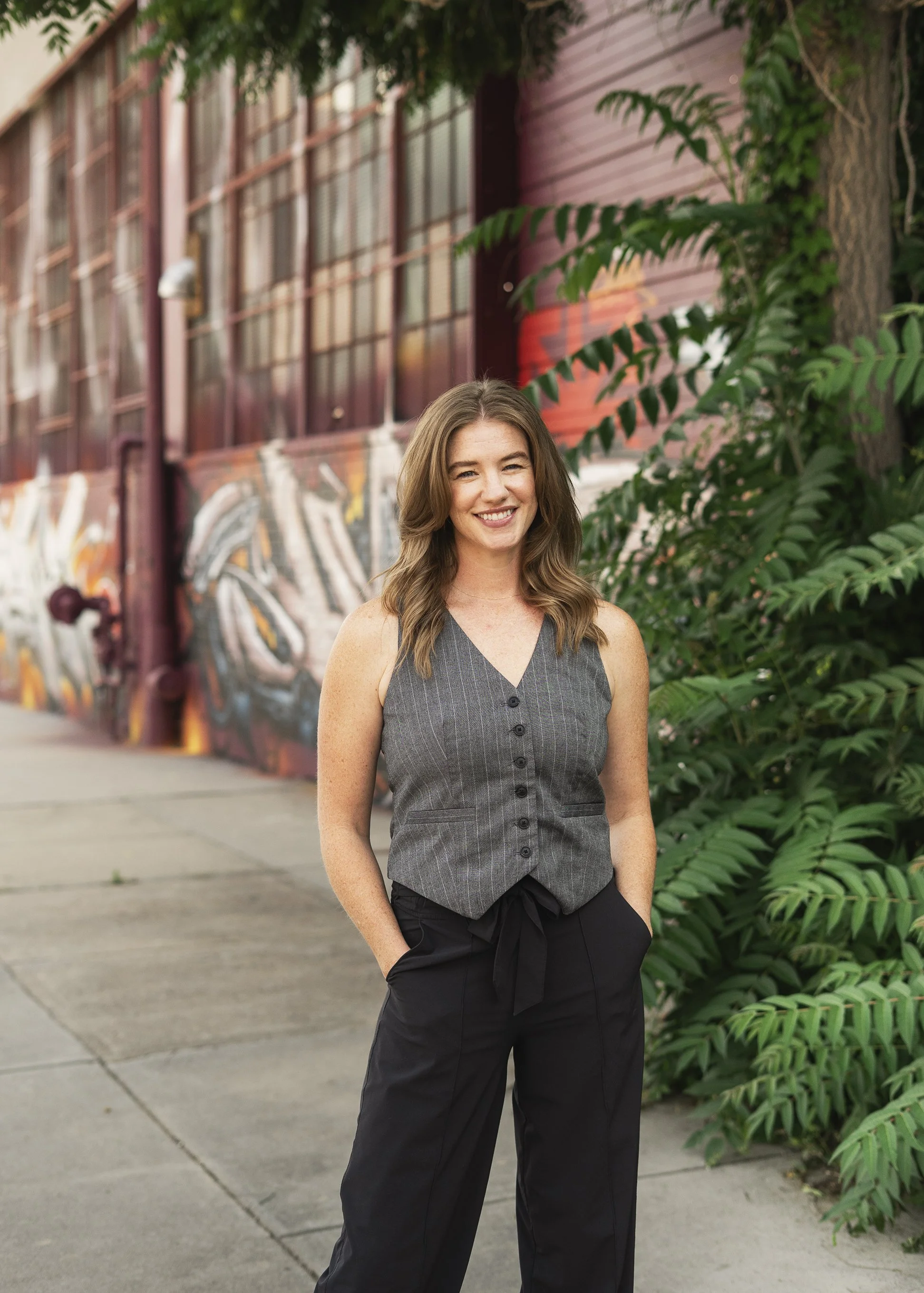
About Britney Peterson
I've been practicing psychotherapy for over ten years. I started in community mental health, working with children, teens, and families navigating severe trauma in high-risk communities, then moved into supporting adults in the criminal justice system dealing with addiction and complex trauma.
What I found across every population is the same thing: people are resilient. They have what it takes to thrive — they're just often derailed by the daily work of surviving. Healing comes down to building a healthier relationship with yourself and the world around you.
I'm not a soft therapist. My strengths are meeting people on an equal playing field and giving honest, compassionate feedback. I believe I should be working myself out of a job — which means you should see real changes in your life, not just feel better for an hour.
I hold a Master's in Counseling Psychology from Santa Clara University and licenses in Marriage and Family Therapy and Addiction Counseling. My approach draws on polyvagal theory, Internal Family Systems, and cognitive behavioral interventions. I'm also a Registered Yoga Teacher, which allows me to incorporate somatic work into sessions — and yoga classes are coming to the practice soon.